Last week, an academic conference once described by Forbes as “the Burning Man of AI” drew a crowd of over 24,000 researchers, investors, and practitioners to San Diego. The Neural Information Processing Systems (NeurIPS) conference is arguably the most important annual event in the AI calendar. Despite its global relevance, in its 39-year history, almost all NeurIPS conferences have been held in North America.
NeurIPS primary locations 1987 - 2025
While NeurIPS draws the most attendees, it sits alongside two other major global academic machine learning conferences: ICML and ICLR. Top conferences like these occupy an important place in AI researchers’ careers, as they are among the most prestigious venues to publish research. Indeed, publishing at such conferences is often a requirement on postgraduate study programs.
All three conferences have seen explosive growth in attendees and submissions over the past decade, as well as increasing interest from outside academia. Google, Apple, Amazon, Microsoft, ByteDance, Meta, Citadel, Jane Street, HRT, and Optiver were among this year’s top ‘Diamond’ sponsors for NeurIPS in San Diego.
EurIPS: A European alternative
The first sign of an alternative NeurIPS location in Europe came back in March. Søren Hauberg and Serge Belongie, professors at the Technical University of Denmark and the University of Copenhagen, posted a social media poll that asked: “Would you present your next NeurIPS paper in Europe instead of traveling to San Diego (US) if this was an option?”
We’ve talked about this dream for years: having a NeurIPS-style gathering in Europe where people can meet, present, and collaborate without needing to cross an ocean.
Søren Hauberg, Chair of EurIPS
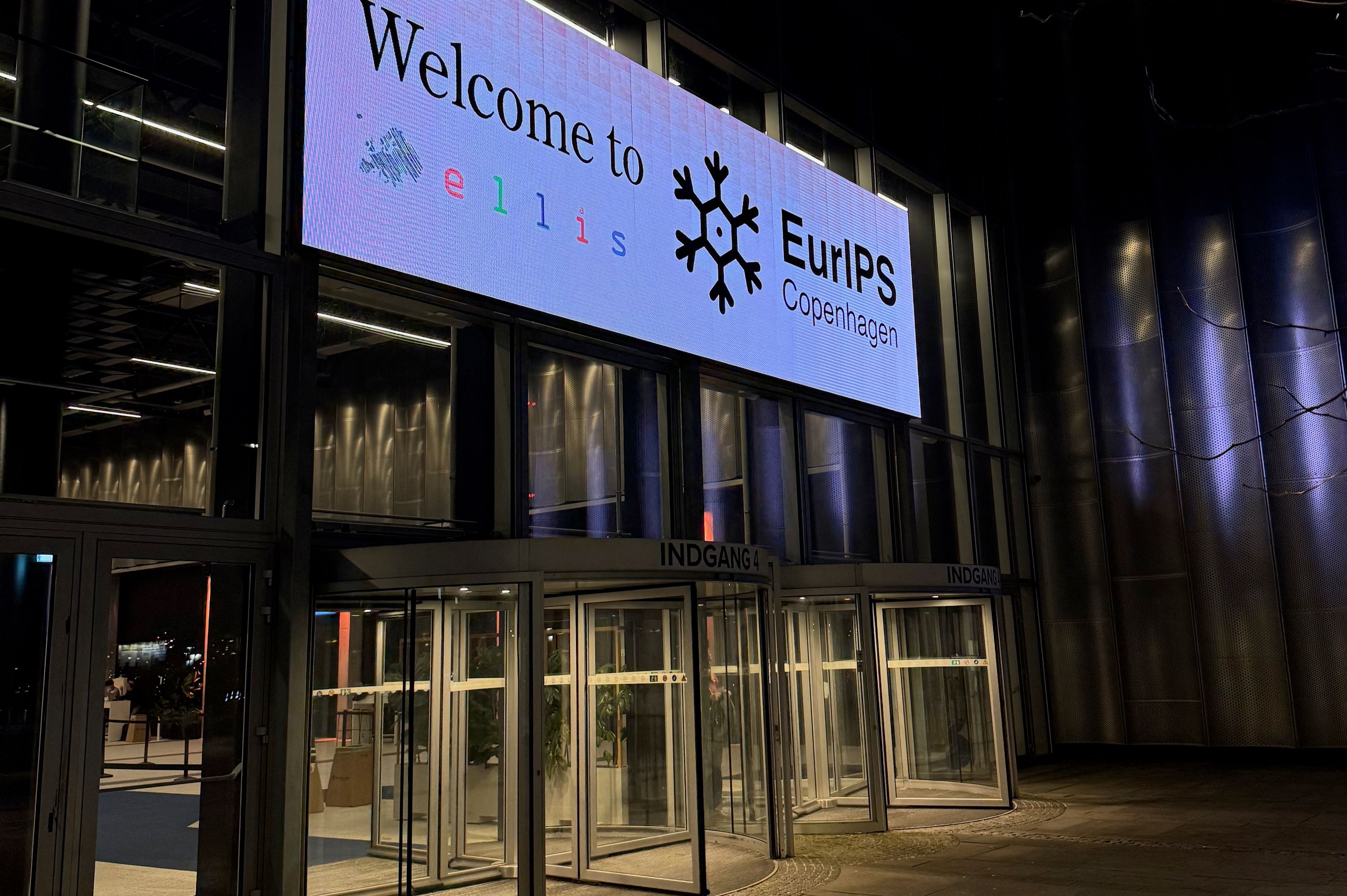
Within days over 2,000 people had answered with overwhelmingly positive responses, and preparations for the first ‘EurIPS’, to be held in Copenhagen, began in earnest. Such an offshoot isn’t without precedent; small satellite NeurIPS events have been held in multiple European cities since at least 20221.
Challenges associated with global attendees travelling to the US may have provided a catalyst for such gatherings to become more established. In response to the EurIPS poll, one Danish academic commented on Bluesky: “I just cancelled an annual meeting in the US for 11/25 that I have otherwise attended for the past two decades […] with the current administration I will not take a risk.” Acknowledging the “difficulties in obtaining travel visas some attendees have experienced in the past few years,” NeurIPS added a second official 2025 conference location in Mexico City, with space for up to 500 attendees.
EurIPS was different. Although endorsed by NeurIPS, Copenhagen was not an official NeurIPS location. On the NeurIPS blog, it was characterised as “part of a series of experiments” intended to increase global accessibility.
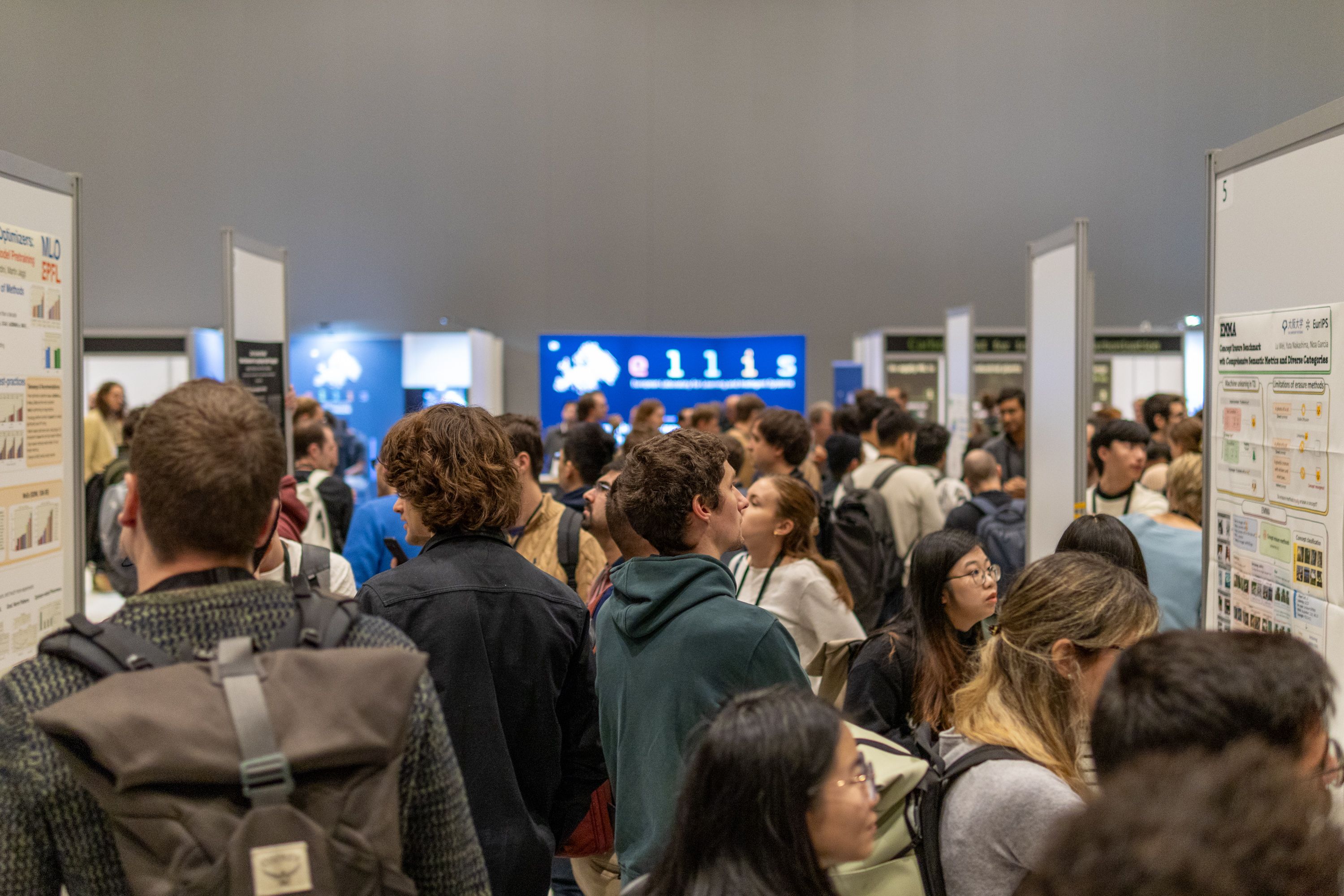
posters at EurIPS
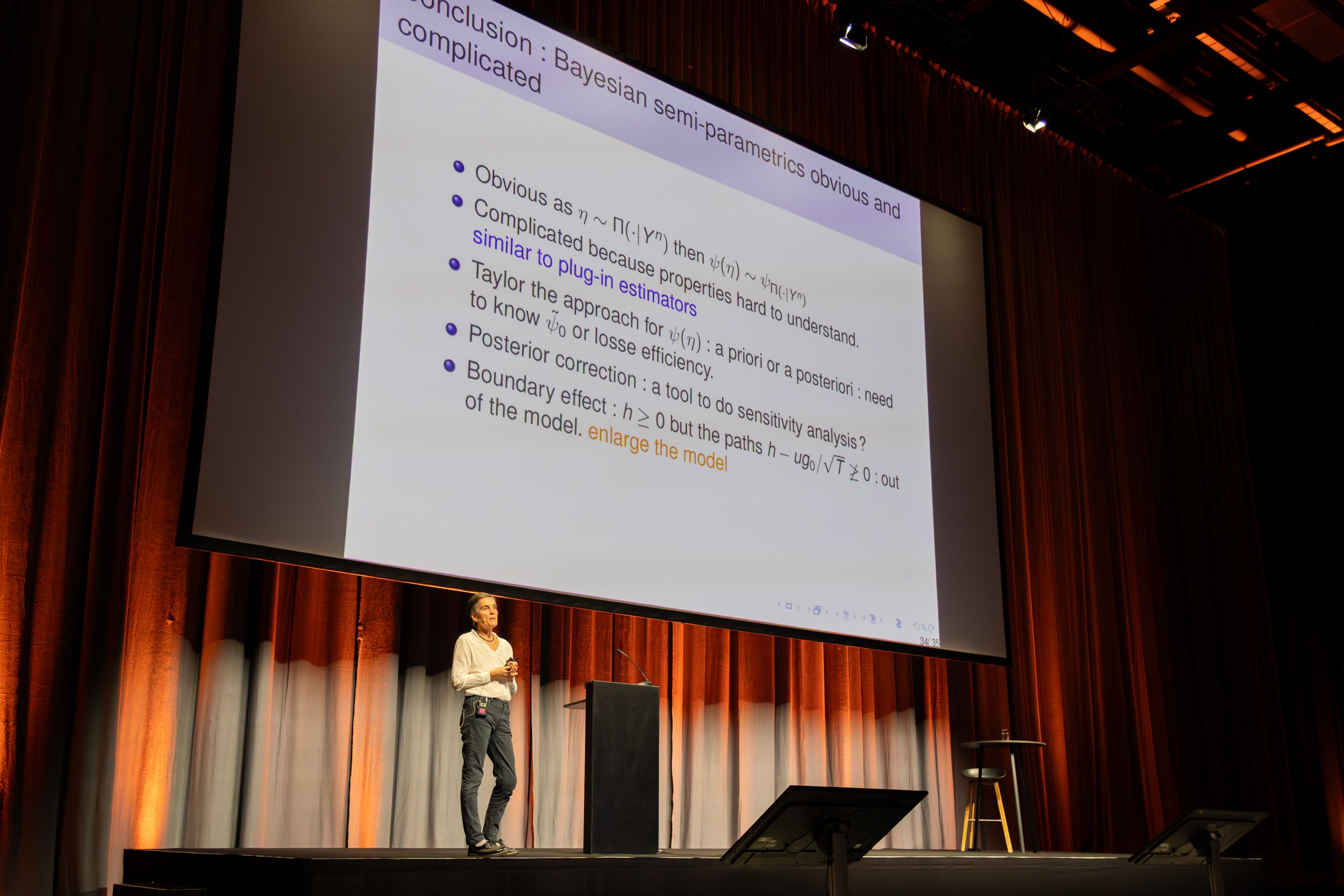
Judith Rousseau's EurIPS keynote
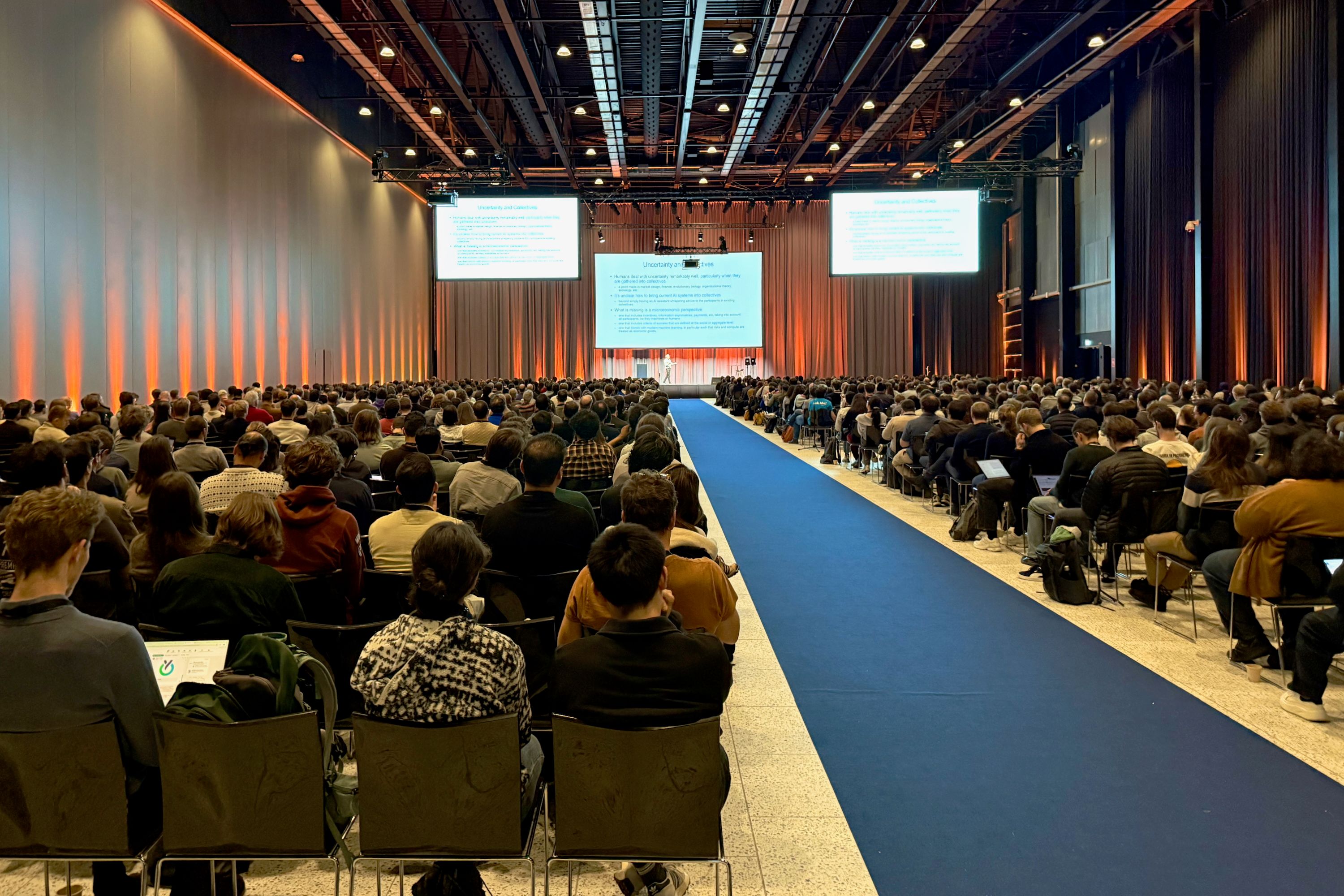
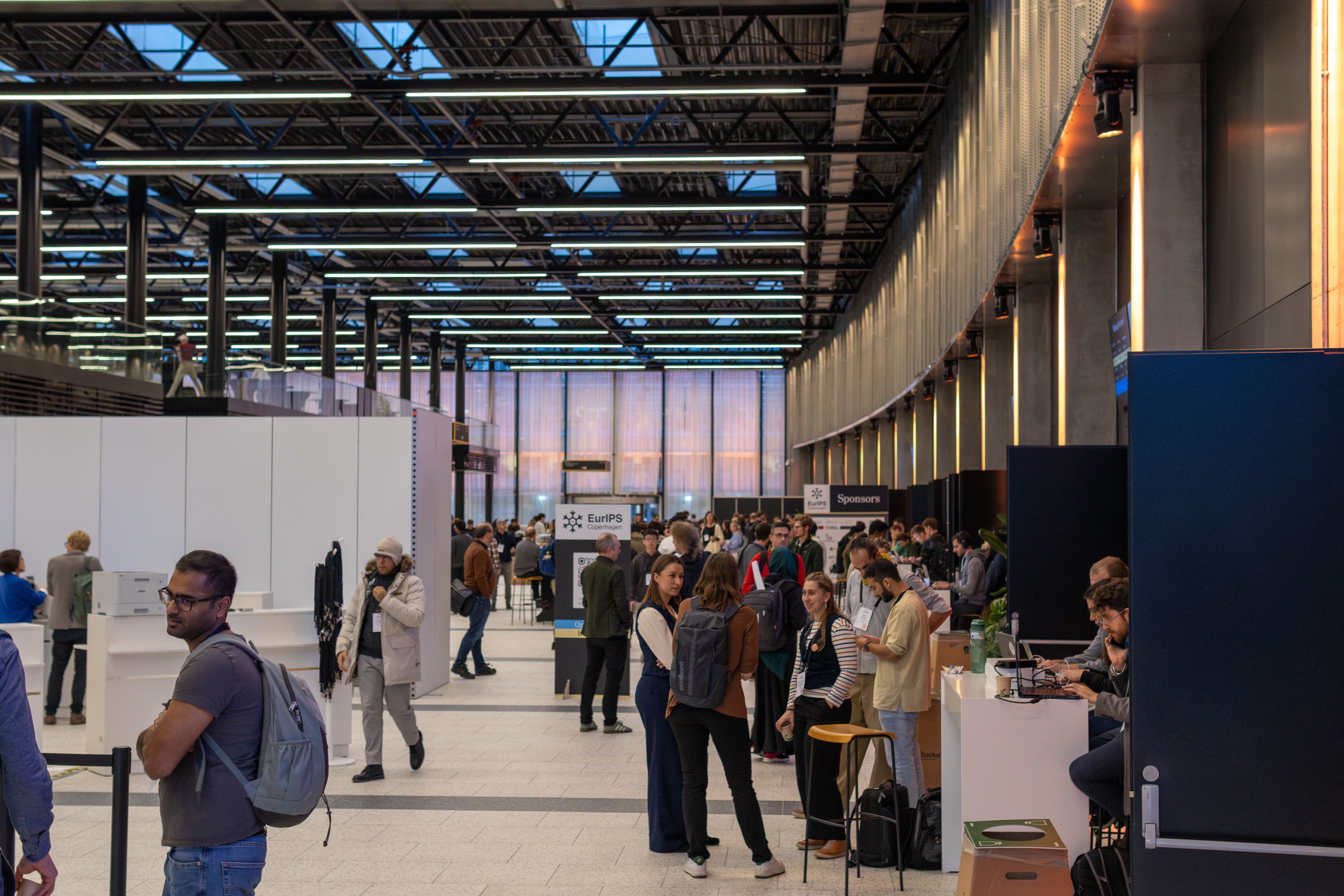
EurIPS main hall


The EurIPS experiment seems to have been a success. At about a tenth of the scale of its American counterpart, with just under 2,200 attendees over the week, all available EurIPS tickets sold out. Around two thirds of EurIPS attendees were students or academics, and just over a quarter were either industry participants or sponsor-affiliated. Of the roughly 5,000 papers at NeurIPS this year, 240 were presented at posters and talks during the three days of the main EurIPS conference, alongside five keynote talks.
While sponsors including NXAI, Verda, and Prior Labs hosted EurIPS parties in Copenhagen’s bars, there were far fewer such events than at NeurIPS. Overall, the social events seemed more low-key than in San Diego, which attracted parties hosted on a yacht and an aircraft carrier. On the second evening of the conference, an official three-course conference dinner was open to all attendees.
This first edition of EurIPS embraced many beloved NeurIPS traditions (including a branded conference mug) and potentially started some new ones. Attendees could enjoy a conference beer, EurIPA: the last session brewed by a local co-operative microbrewery, Slowburn.
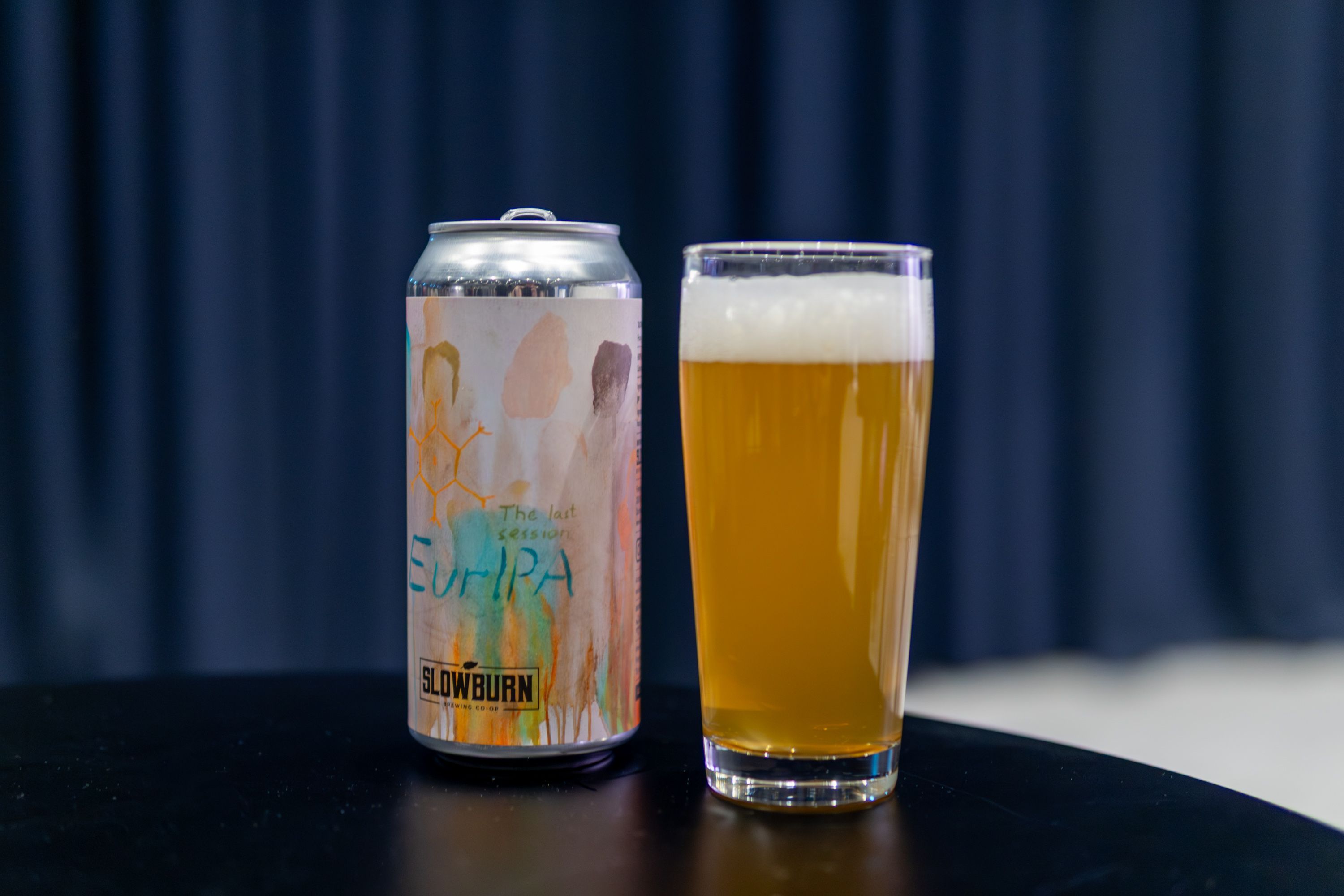
EurIPA: the last session
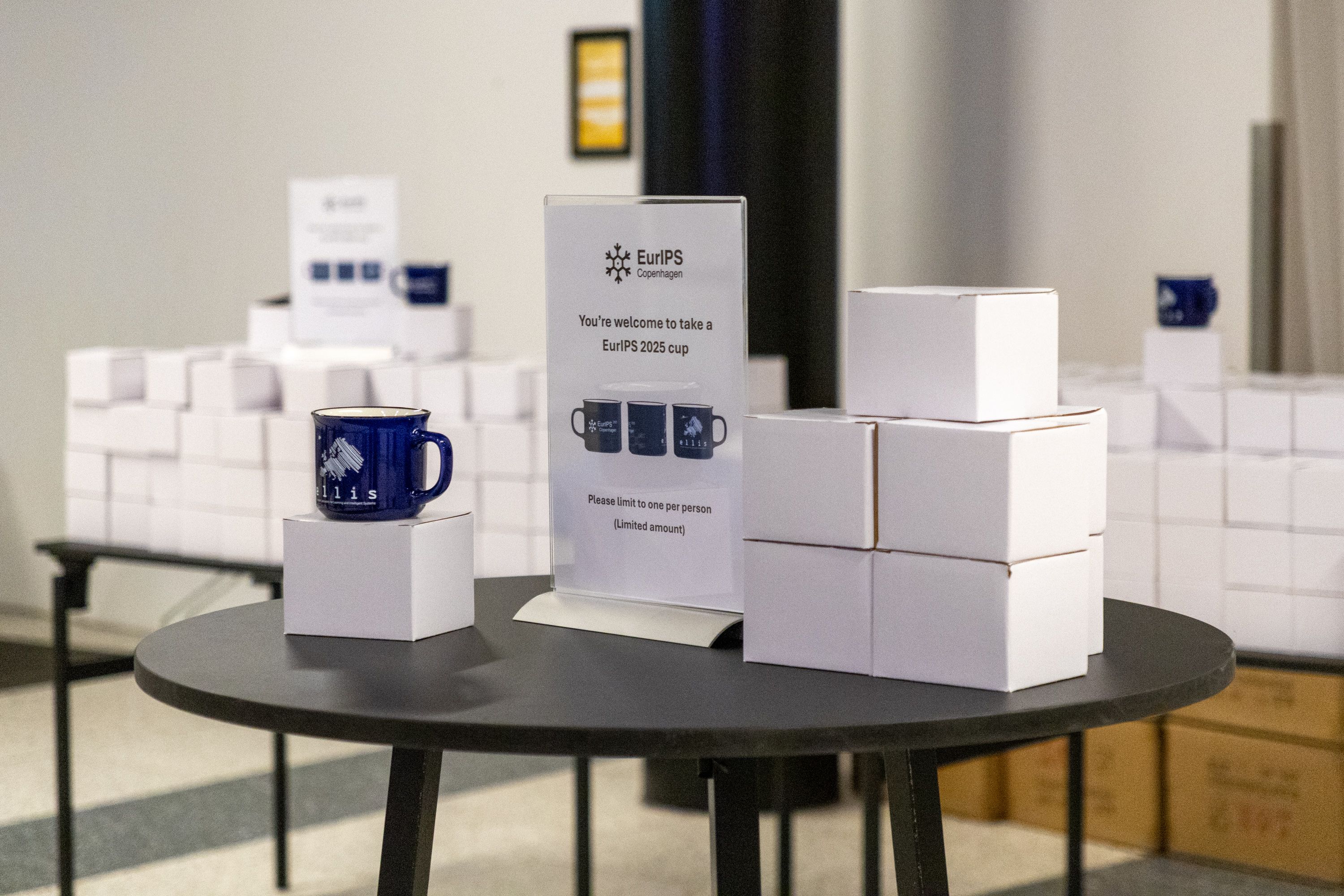
The EurIPS mug
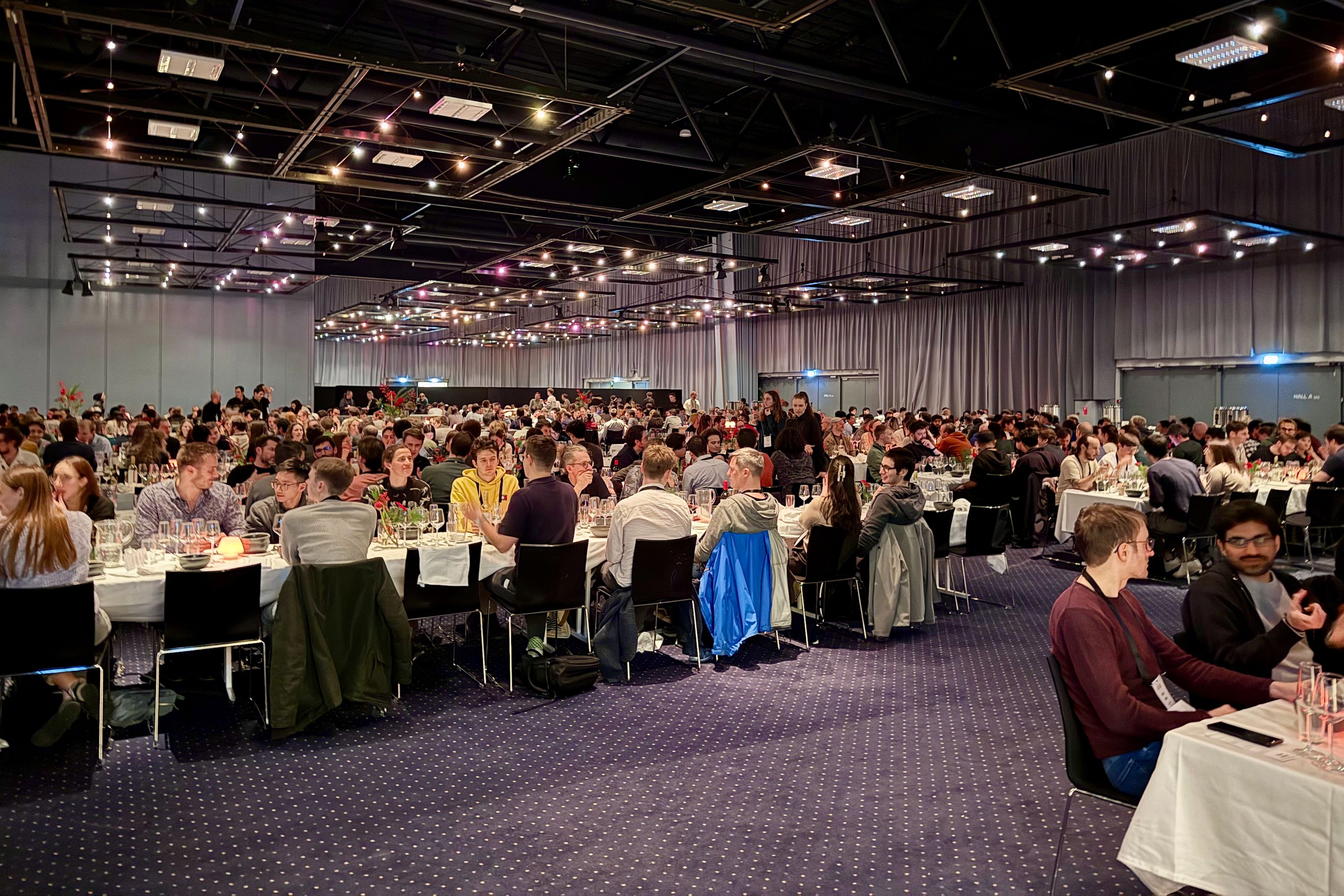
The official conference dinner


Europe-led research
Certain areas of research are being spearheaded in Europe. Madelon Hulsebos, faculty at CWI in Amsterdam and organiser of this year’s AI for Tabular Data workshop at EurIPS, highlighted that “Tabular AI is Europe-led” during a keynote at the workshop. Still, some talks referenced an impression that European companies are lagging behind the leading AI companies and startups, despite Europe contributing up to 20% of global AI research.
Efforts to address this are underway. A “Pan-European Launchpad & Investment Platform for AI Research Commercialization,” eurAIx, was launched in a EurIPS presentation. Germany’s SPRIND also announced their Next Frontier AI program at EurIPS, aiming to build three new European frontier AI labs with over €1bn funding each.
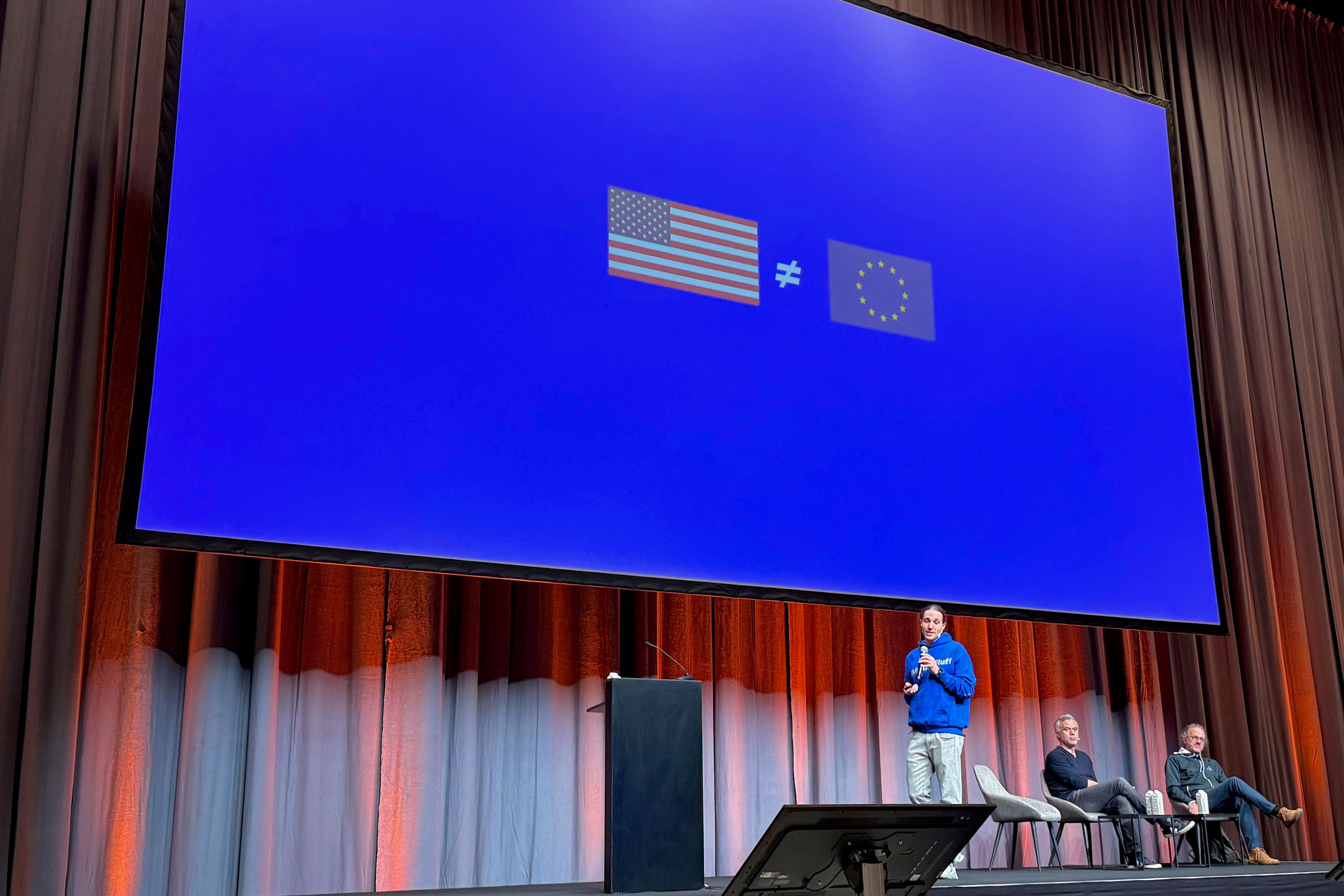
Johannes Otterbach announcing SPRIND's "Next Frontier AI" initiative


Several European national research agencies were present as sponsors at EurIPS. The conference also secured a considerable level of corporate support, with almost 60 foundation partners and sponsors in total. Some firms — including Microsoft, Google, and G-Research — sponsored both NeurIPS and EurIPS.
The day before the main conference, an ‘UnConference’ was held at the same venue, hosting 7 workshops and 129 posters of work presented at other conferences earlier this year, organised by the European Laboratory for Learning and Intelligent Systems (ELLIS). Founded at NeurIPS in 2018, with sites across 16 countries in Europe, ELLIS is an AI research network which “aims to secure lasting international leadership of AI made in Europe.” Approximately one in every eight of the accepted papers at NeurIPS 2025 included ELLIS authors2.
All four of the general chairs at EurIPS have an affiliation with ELLIS: Serge Belongie is the current ELLIS board president. Bernhard Schölkopf, director of the Max Planck Institute for Intelligent Systems, was the previous board president and a co-founder of ELLIS. Aasa Feragen and Søren Hauberg are both professors at the Technical University of Denmark, and are listed on the ELLIS website as members.
ELLIS’ aims and its involvement in organising EurIPS are reminiscent of the Deep Learning Indaba, a “grassroots movement bringing together African AI researchers and practitioners to build the future of AI in Africa.” Deep Learning Indaba has over 10,000 members across more than 47 African countries, and has hosted annual gatherings of AI researchers and practitioners across the African continent since 20173.
A global future
Responses to EurIPS have been very positive. Alexandra Gessner, Associate Principal AI Scientist at AstraZeneca, wrote on LinkedIn: “Maybe the best general ML conference I’ve been to: perfect size, great sessions, inspiring conversations.” Miguel López Pérez, a PhD student at the University of Granada, said that EurIPS “was simply fantastic! I could say that this was the conference I’ve enjoyed the most so far. ” Philip Torr, professor of engineering science at the University of Oxford and Program Chair at EurIPS, noted during a panel discussion that the focus on academic content at EurIPS reminded him of “how conferences used to be.”
Midway through the week, over 600 attendees responded to a poll about the future of EurIPS. When asked why they see value in EurIPS, the most popular option among participants was “European collaboration,” with 21% of votes. The second tier of options included “Environmental concerns,” “European sovereignty,” and “Prefer small(ish) venues,” at 14-15% each.
In response to a question on what the ideal extension of EurIPS would look like, the most popular answer by far was “Like this year! A second venue for NeurIPS papers plus independent workshops.”
In 2026, the 40th edition of NeurIPS will be held in Australia, while ICLR will be in Brazil, and ICML in South Korea. This is a milestone for the field: for the first year since ICML was founded in 1980, ICML, ICLR and NeurIPS will all take place outside of North America4.
The place of EurIPS in this global future remains to be seen.
Footnotes
-
For example, see ELLIS Pre-NeurIPS fest 2024 and NeurIPS@Cambridge 2023, and NeurIPS@Paris 2022. ↩
-
The first Deep Learning Indaba was held in South Africa in 2017. The 2026 Deep Learning Indaba will be held in Nigeria. ↩
-
Excluding 2020 and 2021, when these conferences were virtual-only due to the COVID-19 pandemic. ↩